Meditation Without Roots: What the American Wellness Industry Left Behind
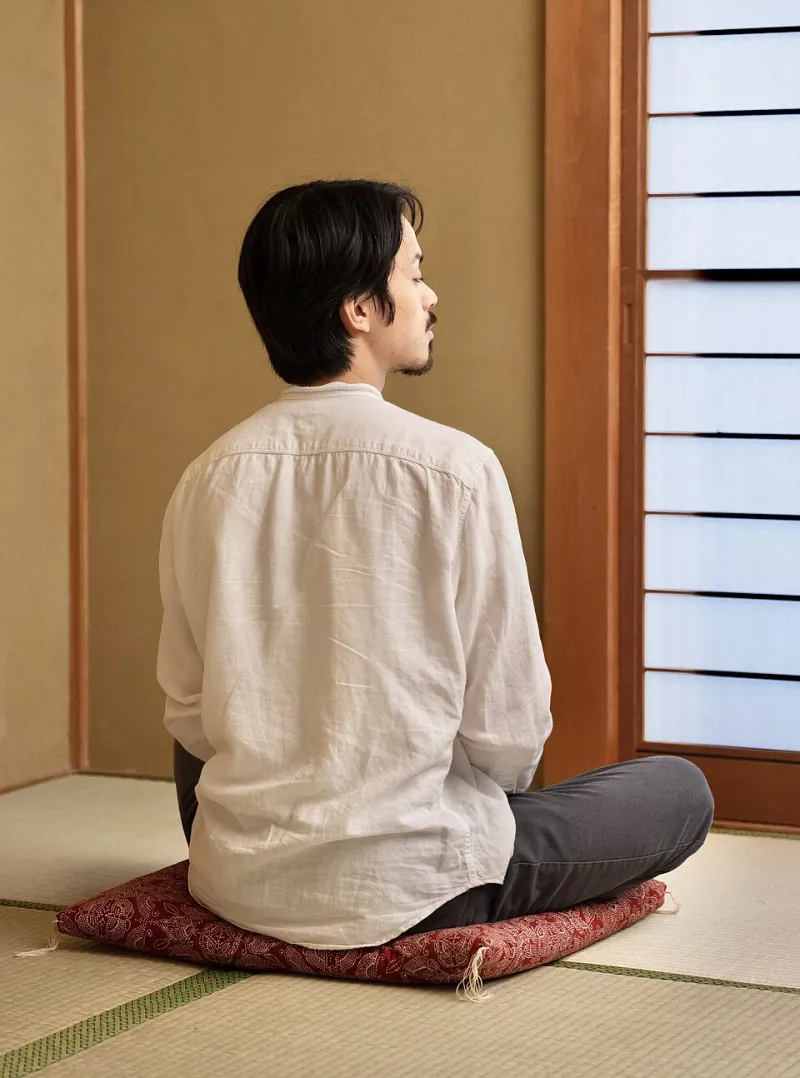
Photo: 神護寺, CC BY 4.0, via Wikimedia Commons
A Practice Without a Home
Walk into any corporate wellness center, scroll through any meditation app, or pick up nearly any popular book on mindfulness in America today, and you will encounter a remarkably consistent message: the goal is to reduce your stress, sharpen your focus, and improve your personal well-being. These are not unworthy aims. Yet something quietly essential has been left at the door.
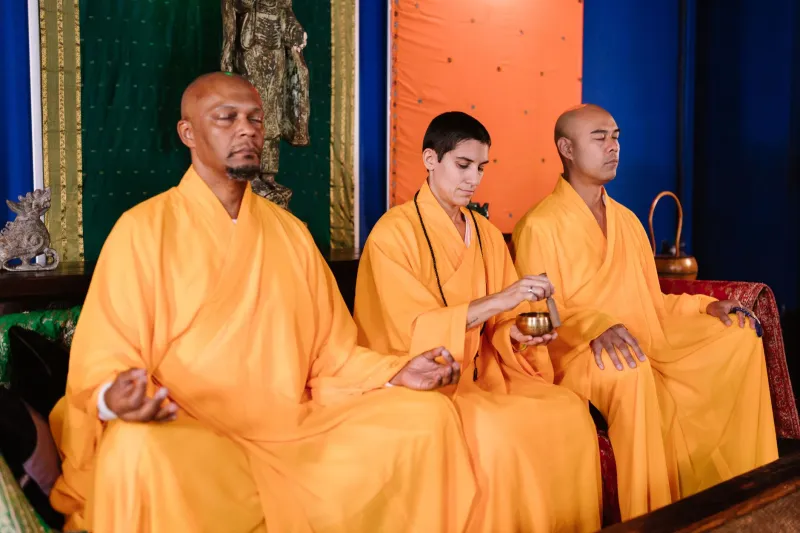
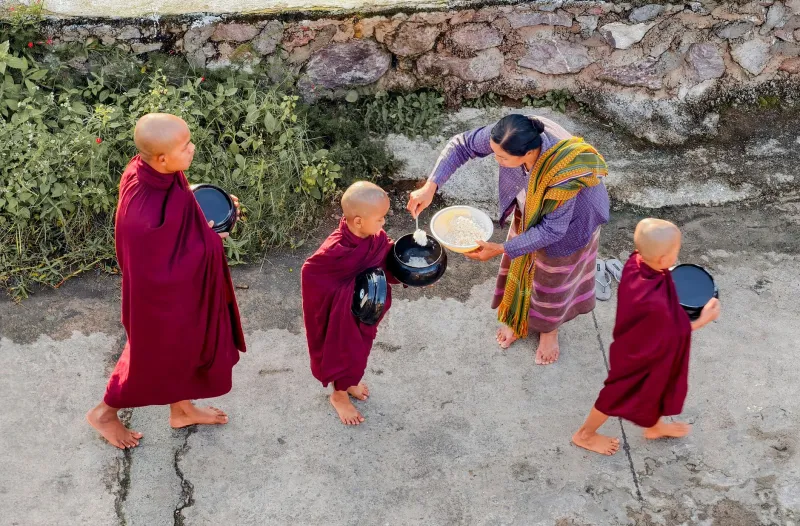
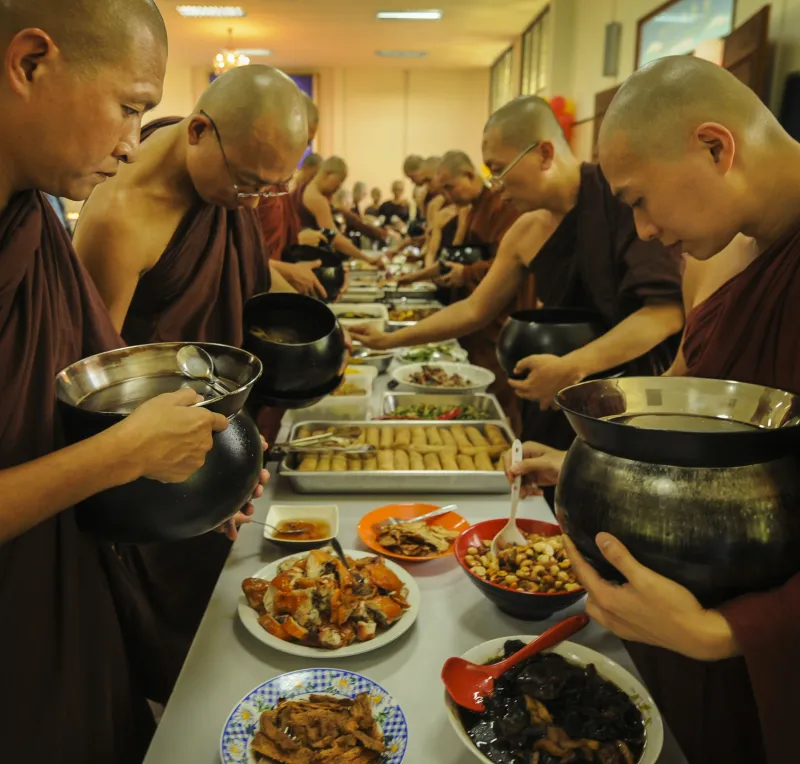
The Buddha did not teach meditation as a productivity enhancement. He taught it within a living community — a sangha — bound together by shared ethical commitments, mutual accountability, and a collective orientation toward liberation. In the journey from ancient forest monasteries to modern American wellness studios, that communal architecture has largely been dismantled, brick by brick, until what remains is a solitary individual and a smartphone app.
This is not merely a philosophical concern. It has real consequences for how deeply the practice can take root in a person's life.
The Extraction Problem
Scholars of religion sometimes use the term "extraction" to describe what happens when a practice is lifted from its original context and transplanted into a new one. Extraction is not always harmful — traditions have always traveled and adapted. But when a practice is extracted without care, something vital can be lost.
In the case of American mindfulness, the extraction has been particularly thorough. The eight-fold path, which frames meditation as one component within a broader ethical and communal life, rarely appears in mainstream wellness discourse. The precepts — foundational guidelines around non-harming, honest speech, and right livelihood — are seldom mentioned. And the sangha, which the Buddha himself named as one of the Three Jewels of the tradition alongside the Buddha and the Dhamma, is almost entirely absent.
What we are left with is a technique. A powerful technique, to be sure. But a technique without a home.
What the Sangha Actually Does
For those who have not experienced practice within a traditional monastic community, it may be difficult to appreciate what the sangha provides that an app or a studio simply cannot replicate.
First, there is accountability. When you practice alongside others who share your commitments — who will notice if you have been absent, who will gently challenge your rationalizations, who will celebrate your progress and sit with you in your difficulties — the practice becomes something more than a private transaction between you and your own mind. It becomes relational.
Second, there is transmission. Much of what is most valuable in the Buddhist tradition does not exist in books or guided audio recordings. It exists in the living relationship between teacher and student, between senior practitioners and those newer to the path. This transmission requires proximity, continuity, and trust — conditions that a subscription service cannot manufacture.
Third, there is the corrective pressure of community ethics. When we practice in isolation, our blind spots tend to remain blind. The community, structured around shared precepts and genuine care for one another's awakening, creates the conditions in which those blind spots can be lovingly illuminated.
Temples like Wat Pah Sunan exist precisely to hold and transmit this fuller vision of practice. The monastery is not incidental to the Dhamma — it is one of its primary vessels.
The Difference Between Wellness and Liberation
It would be unfair to dismiss the genuine good that mainstream mindfulness has accomplished. Countless Americans have found relief from anxiety, chronic pain, and the relentless pace of modern life through secular meditation practices. That relief is real and it matters.
But there is a meaningful distinction between wellness and liberation — between feeling better and becoming free. The Buddhist tradition, at its most honest, is oriented toward the second. And that orientation requires more than a daily sitting practice. It requires a reorientation of values, a community to practice those values within, and a willingness to be changed not just calmed.
This is precisely why the monastic sangha model, far from being a relic of another culture or another century, speaks with particular urgency to the American spiritual moment. In a culture that relentlessly commodifies the interior life, the monastery offers something stubbornly resistant to commodification: a community of people genuinely trying to live differently, together.
Returning to the Source
None of this is to suggest that every American seeker must don robes or relocate to a monastery. The tradition has always made room for lay practitioners, and the precepts can be honored in a thousand ordinary settings — at home, at work, in the rhythms of family life.
But it does suggest that those who find themselves drawn to meditation might benefit enormously from seeking out a living community rooted in the tradition's full depth. Not as a replacement for personal practice, but as its natural home.
The forest monastery tradition that inspires places like Wat Pah Sunan was always built on this understanding. The teacher Ajahn Chah, whose lineage informs so much of Theravada practice in the West, was fond of reminding students that the Dhamma practiced alone, in isolation from community and ethics, is like a tree without roots. It may grow for a season. But it will not stand.
America's mindfulness movement has grown impressively. The question worth sitting with now is whether it is growing roots.